In previous articles, we have already discussed what energy efficiency is and why it is so important. Today, we will review some key aspects to understand what energy class B consists of and why it is essential for you to know about it.
Through the new regulations imposed in 2013 by the European Union, it is mandatory to have an energy efficiency certificate. In this way, the aim is to reduce the impact that energy consumption generates on the planet and also to increase awareness regarding its intelligent use.
At Inditer, for example, we show a strong commitment to the environment and offer industrial climate control services that guarantee energy efficiency.
What is energy class?
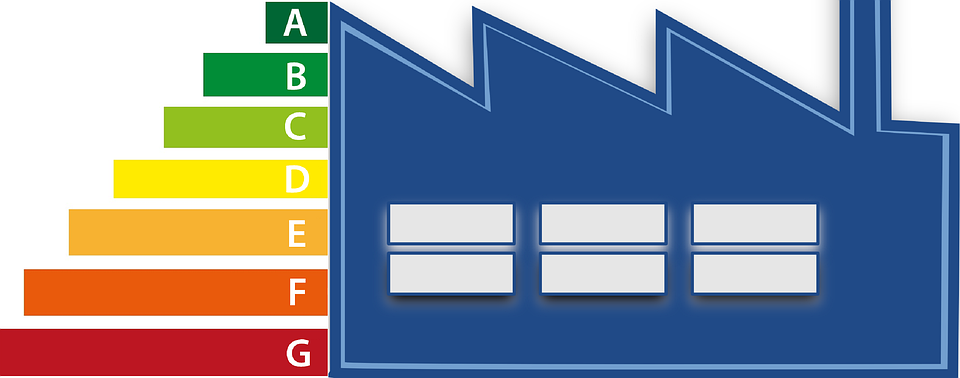
Energy class allows us to know the energy efficiency of a building or a home. This is measured based on the CO₂ generated by a building to meet the basic needs of its inhabitants.
When we talk about energy class B, we are talking about a high level of efficiency, just below certification A, which is established as the highest. We will analyze them in more depth below.
Types of energy ratings: which is the best?
So, what would be the ideal rating for a building to be as efficient as possible? In Spain, rating E is the most common; however, this is not the optimal level. In contrast, there are very few cases of Spanish homes that have achieved an A or B certificate.
Nevertheless, this is not impossible. Below we explain the requirements that define each one:
- Class A: the most efficient of all, with practically zero energy consumption.
- Class B: it is estimated to be half of what a Spanish home typically consumes. This is much more achievable than class A.
- Class C: this rating is intended for homes with efficient consumption, about 25% below the Spanish average.
- Class D: one of the most achievable energy efficiency levels, as it is only one step away from the Spanish average and still presents significant changes.
- Class E: current average consumption in Spain.
- Classes F and G: these are very inefficient homes, with few measures to reduce energy consumption and mostly composed of properties over 50 years old.
Furthermore, the concept of energy rating is also applicable to the household appliances used, which will have an impact on the final consumption of the building.
At Inditer, we are committed to providing measures that combine technology and sustainability. Our company carries out processes that help protect the planet while offering quality products. To achieve the highest energy efficiency in your industry, we encourage you to contact us.