
Air conditioning systems require proper maintenance to ensure maximum efficiency and avoid excessive electrical consumption costs. One of the key components, for example, is the air conditioning heat exchanger, as it is responsible for transferring heat or cold between two fluids, which is why it requires proper maintenance.
It is important to take precautions, particularly before the arrival of summer or during seasons when the system has been inactive, in order to proceed with its inspection and maintenance and thus prepare it for efficient use.
Basic Aspects for Air Conditioning Heat Exchanger Inspection
Before continuing, it is crucial to mention that it is advisable to read the instructions in your system’s manual.
Although, in general, maintenance recommendations tend to be similar for all units, it is necessary to know if the system has any particular characteristics that require specific care.
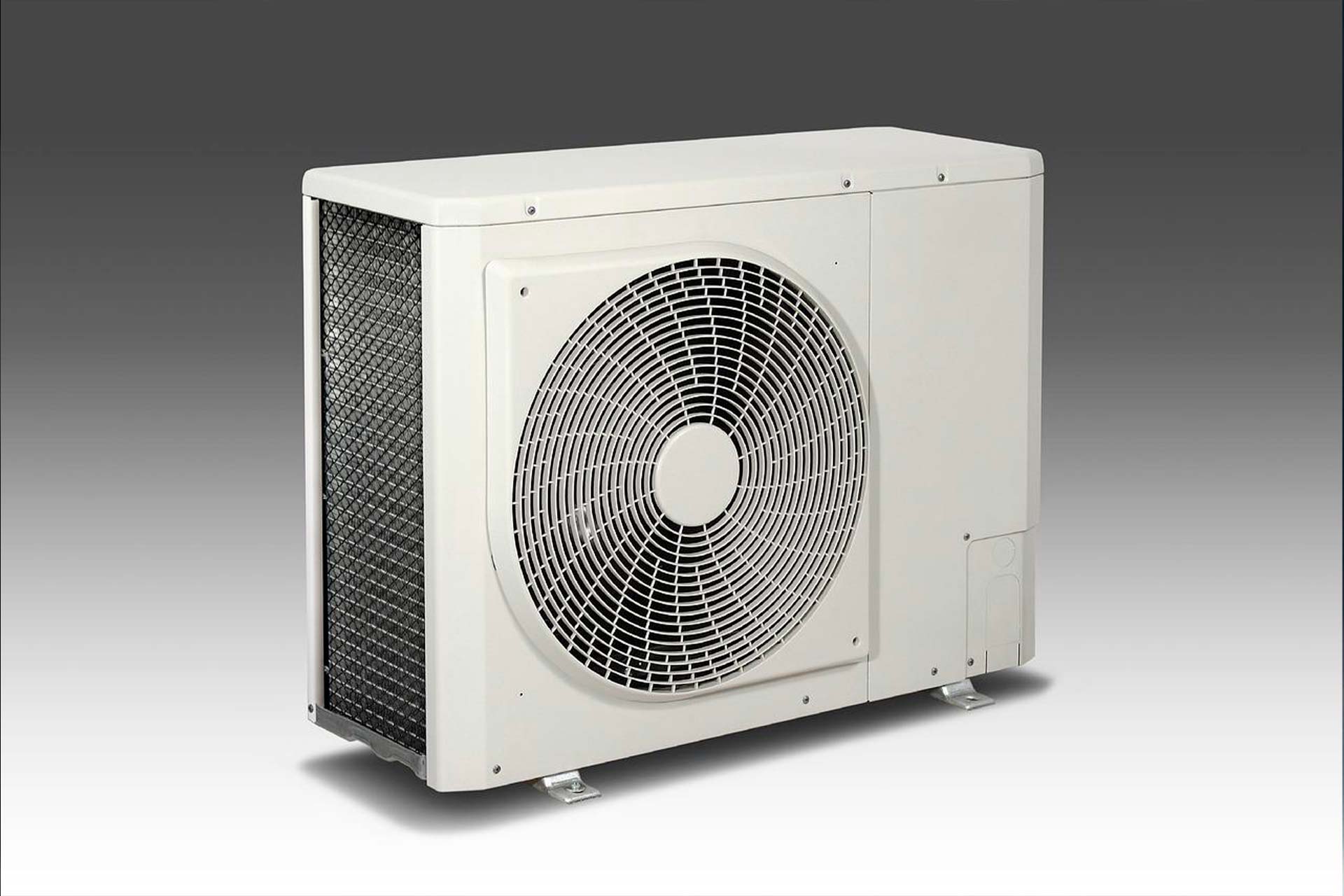
Air Conditioning Outdoor Unit
Its maintenance is more complex, since this part of the system contains the refrigerant gas, which is why it is recommended that any leak detection or recharge be carried out by a professional technician.
The aspects to consider for air conditioning outdoor unit maintenance are:
- Verify that there is no refrigerant gas leak.
- Check the condition of the supports.
- Inspect for any obstructions in the airflow.
- Clean accumulated dirt on the grille, which can be done with a soft-bristle brush or with pressurized air.
Air Conditioning Indoor Unit
- Clean the filters with water and neutral soap, then allow them to dry in the shade. They may also need to be replaced if necessary.
- Clean the tube and tray with bactericides.
- Clean the interior area located beneath the filters with water and a few drops of bleach. Finish by setting the unit to ventilation mode.
- Inspect the operation of the thermostats.
Water accumulation must be avoided in any of the components to prevent the formation of bacteria and unpleasant odors.
Important Recommendations Before Cleaning the Air Conditioner
- Turn off the system and disconnect it from the power supply to avoid any possible electrical shock.
- Do not use volatile substances for cleaning, such as alcohol.
- Prevent water or cleaning liquids from coming into contact with electrical panels.
- The water used for cleaning the filters must not exceed 40°C.
How Often Is It Recommended to Perform System Maintenance?
The recommended frequency for preventive air conditioning maintenance will depend on the following aspects:
- For cleaning the air conditioning heat exchanger and panel outlets, it is recommended to do so at least once a year.
- Filter cleaning will depend on the system’s usage; for example, in an office where it is used daily, monthly filter cleaning or every two months is recommended, while in a residence it can be performed every 3 months or even once a year depending on its volume of use.
- Corrective maintenance will be performed if the system presents any failure, gas leak, or requires replacement parts due to malfunctions, which can only be carried out by a specialized professional technician.
Such corrective air conditioning maintenance will have a positive impact on the system, extending its service life and increasing its energy efficiency.
Consequences of Not Performing Timely Maintenance
If preventive maintenance tasks are not carried out on air conditioning units, energy consumption will increase in a very short time, causing an increase in service billing.
Similarly, if proper maintenance is not performed, there is a risk that in the medium term failures or system damage may occur that could result in significant financial expenditures.
Additionally, lack of filter cleaning can cause the proliferation of bacteria and fungi that affect health with various respiratory diseases and infections.
Dirty Indoor or Outdoor Heat Exchanger
The air conditioning heat exchanger is a radiator that performs the function of transferring cold or heat between two fluids or a moving fluid and the surface of a solid.
We find the air conditioning heat exchanger in all systems, whether split, window, or ducted units, requiring two heat exchanger units, one outdoor and one indoor.
How to Clean the Air Conditioning Heat Exchanger?
The indoor heat exchanger is located behind the air filters, which is why it is essential to keep the filters in good clean condition.
If we leave the air filters with accumulated dirt, such dirt can pass to the air conditioning heat exchanger, potentially becoming dirty or clogged, which will result in a complex and quite tedious cleaning process.
The consequences of having a dirty indoor heat exchanger are: gas pressure will decrease, as will electrical consumption, which can cause the indoor unit to freeze, resulting in the system cooling very little.
As for the outdoor unit’s air conditioning heat exchanger, it is responsible for expelling heat to the outside, so if this component is dirty, the heat cannot be discharged. This will increase pressure and energy consumption, even noise, forcing the system.
For cleaning, a pressurized water hose or soft-bristle brush is needed, which must be done very carefully, avoiding bending the aluminum fins of the air conditioning heat exchanger.
Signs Indicating the Need to Maintain Your Air Conditioner
We must be attentive to possible signs indicating the immediate need to maintain your system, among which we have:
1. Decreased System Power
If you notice that your air conditioner is not cooling as usual, it may be a configuration problem with the remote control that requires resetting or that some of its components require cleaning or maintenance. If your basic actions do not resolve the situation, it will be necessary to consult with a specialist.
2. Increase in Your Electricity Bill
If you have configured your system to maintain it at a stable temperature that keeps the environment cool and, however, you observe that energy consumption is increasing, the unit may be working harder to reach desired levels because it needs maintenance on one of its components.
3. Low Airflow
If you have performed your basic maintenance and cleaning tasks on the filters and grilles and it is correctly configured, but the system expels little air, it will be necessary to request a technician’s inspection.
4. If There Is Any Refrigerant Gas Leak
This must only be addressed urgently by a specialized technician.
Prevention and proper maintenance will be your best allies to achieve maximum efficiency in your air conditioner’s performance.